





Kitemark

The Kitemark was first introduced by BSI (the British Standards Institute) in 1903. It is commonly found on many products, including construction products. It indicates that the product has been independently tested by BSI to confirm that it complies with relevant British Standards, and that BSI have licensed the product manufacturer to use the Kitemark.
Manufacturers have to pay to have their products and manufacturing processes tested, and these tests are repeated regularly to confirm continued compliance.

This is not the same as CE marking. CE stands for Communauté Européenne. CE marking signifies that a product complies with relevant safety, health or environmental regulations across the European Economic Area (EEA).
[edit] Related articles on Designing Buildings Wiki
- Agrément certificate.
- BBA becomes an Approved Body for UKCA Marking.
- Brexit standards, products and regulatory updates.
- British Board of Agrément.
- British standards.
- CE marking.
- Construction products regulations.
- European Technical Approval.
- Gas Safe.
- Label.
- Manufacturer’s certificate.
- Radio frequency identification.
- Standards.
- Third party accreditation.
Featured articles
Check out some of the best features and news from Designing Buildings as well as key stories from around the web.

Building Safety Newsletter from MHCLG.
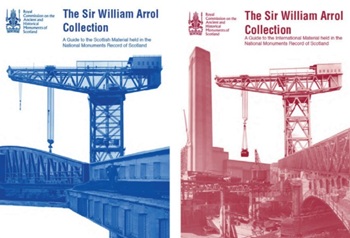
An extraordinary record of steel engineering worldwide.
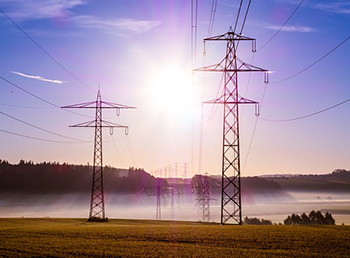
Households living near new pylons to save on bills.

ECA warns growth must not outpace grid capacity or skills.
The role of the client and decision making

CIOB response to built environment professions call for evidence.
Construction's sustainability reporting revolution

Tracking upfront embodied carbon with digital tools.
ECA welcomes procurement reforms
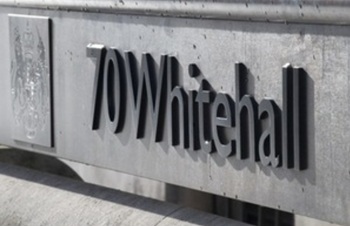
Public spending must back British jobs and skills.
Campaigning for Edinburgh: the Cockburn Association 1875-2049

The role of the civic voice in protecting character. Book review.
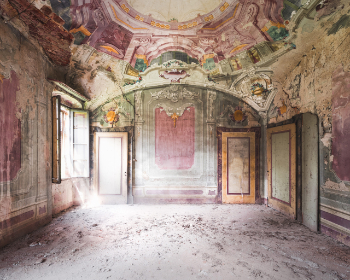
CIOB photography competition is open for entries.
ECA Edmundson apprentice of the year award
Finalists announced.
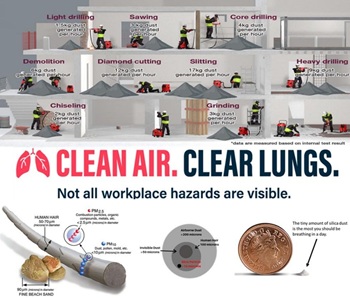
Major new study exposes serious knowledge gaps.
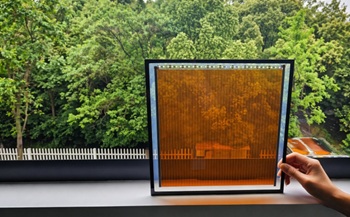
Generating energy from internal light as well as sunshine.